Category: Symbolism & Modernism
-
Henri Rousseau’s The Sleeping Gypsy, painted in 1897, depicts a poignant scene of a sleeping woman and a non-aggressive lion in a serene desert, symbolizing the interplay between danger and peace. Rousseau’s self-taught style, initially ridiculed, emphasizes imagination over realism, resonating with themes of vulnerability and the complexity of dreams.

-
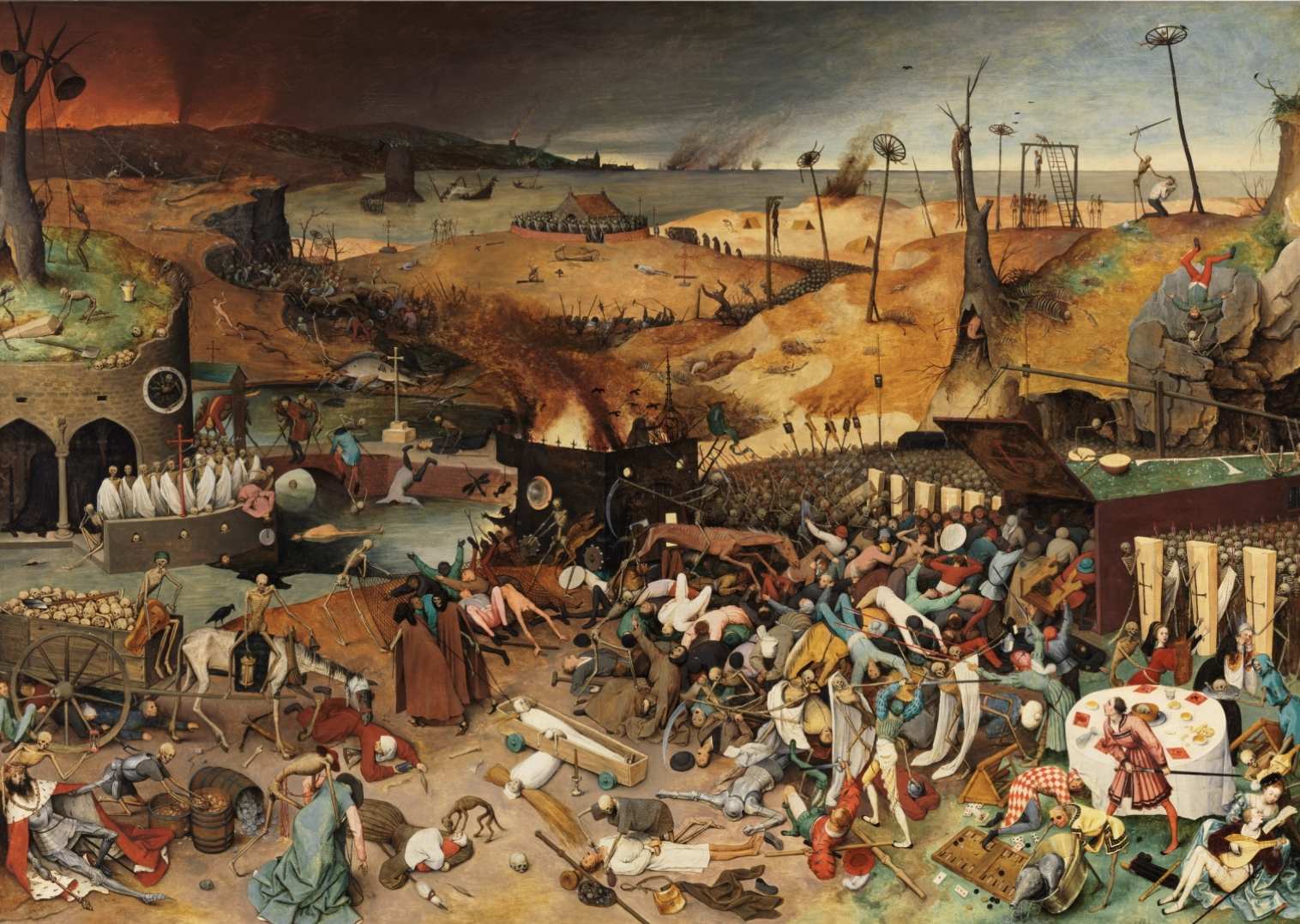
A World Ruled by Death In the mid-16th century, Flemish painter Pieter Bruegel the Elder created one of the most terrifying visions of human existence: The Triumph of Death. The painting covers every inch of the canvas with skeleton armies, burning villages, and humans dragged to their inevitable doom. Unlike religious frescoes offering the hope…
-
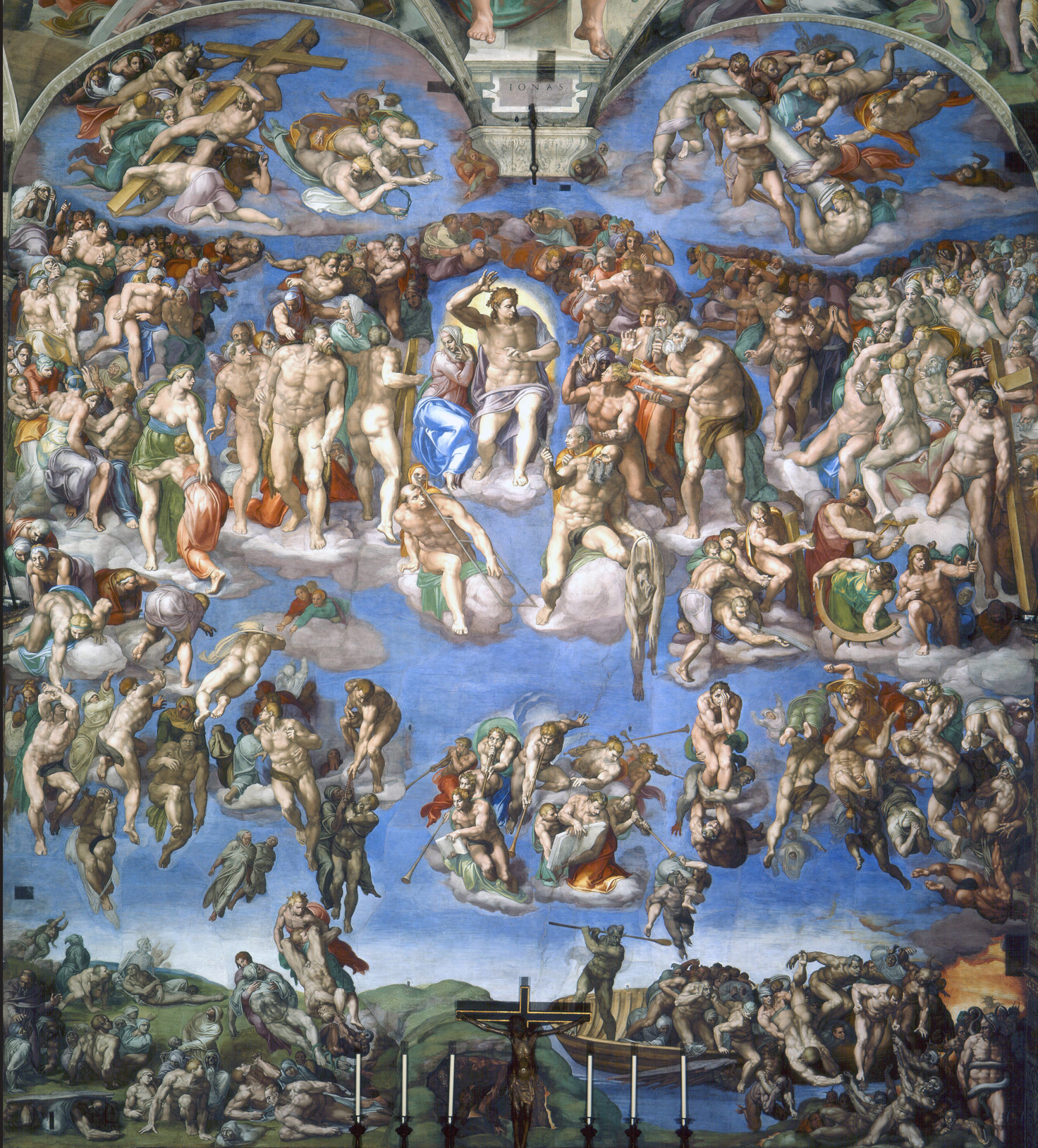
A Shocking Secret Revealed On the altar wall of the Sistine Chapel in the Vatican stands one of the most overwhelming masterpieces of the Renaissance: Michelangelo’s Last Judgment. The fresco spans over 13 meters and covers the entire altar wall, a swirling vision of angels, saints, demons, and resurrected souls. But among this grand spectacle…
-
Arnold Böcklin’s 1898 painting “Plague” depicts a winged creature carrying Death as it wreaks havoc on a city, symbolizing the terror of epidemics like the Black Death. The artwork reflects Böcklin’s personal anxieties during cholera outbreaks and resonates today, highlighting humanity’s vulnerability to contagion and chaos.

-
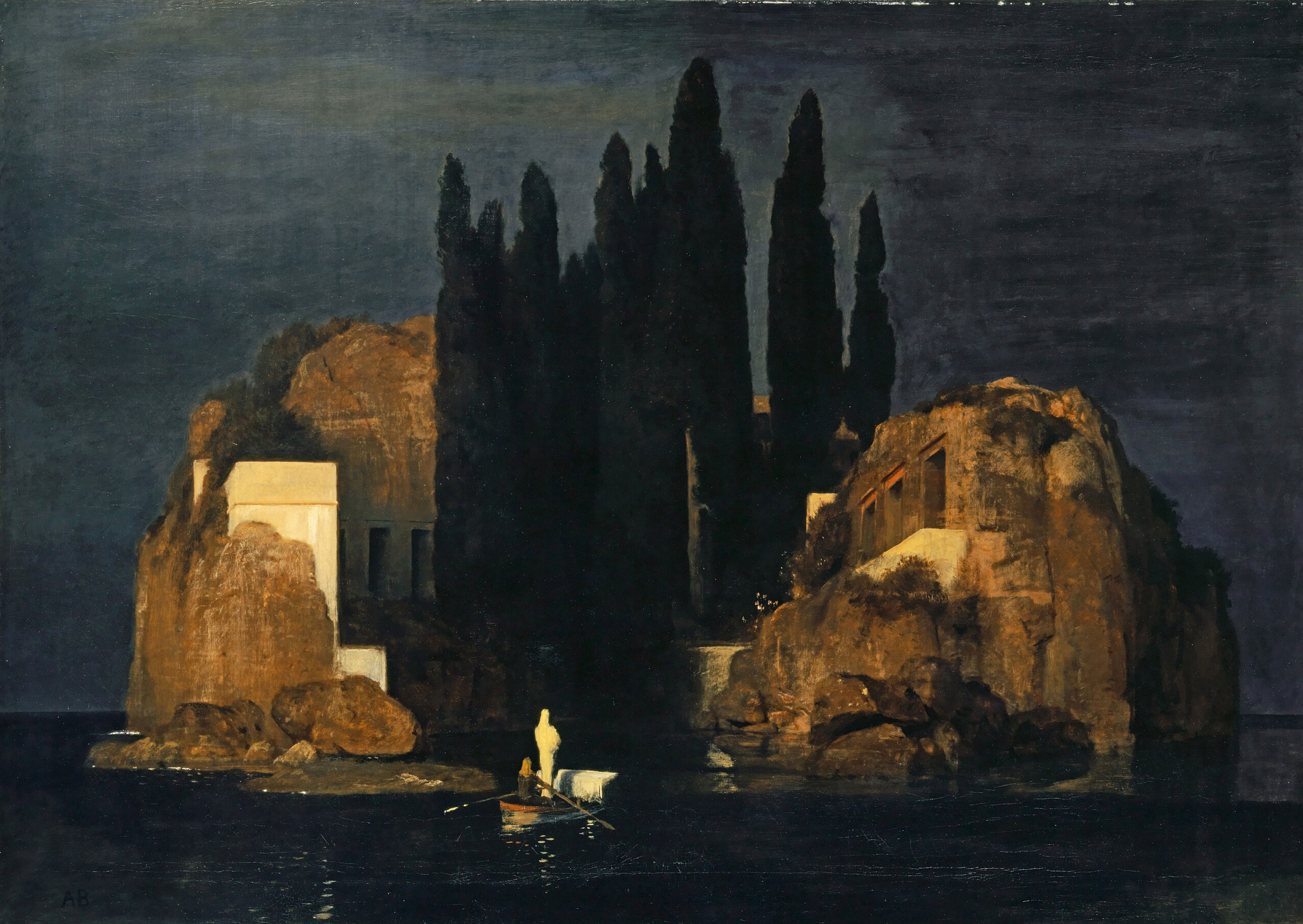
Arnold Böcklin’s Isle of the Dead, painted in 1880, remains a compelling Symbolist masterpiece. Its themes of mortality attracted figures like Hitler, Nietzsche, and Rachmaninoff, illustrating its profound impact across disciplines. Initially a source of reflection, the painting’s association with darkness transformed its legacy, yet it continues to resonate today.