Category: Art History
-
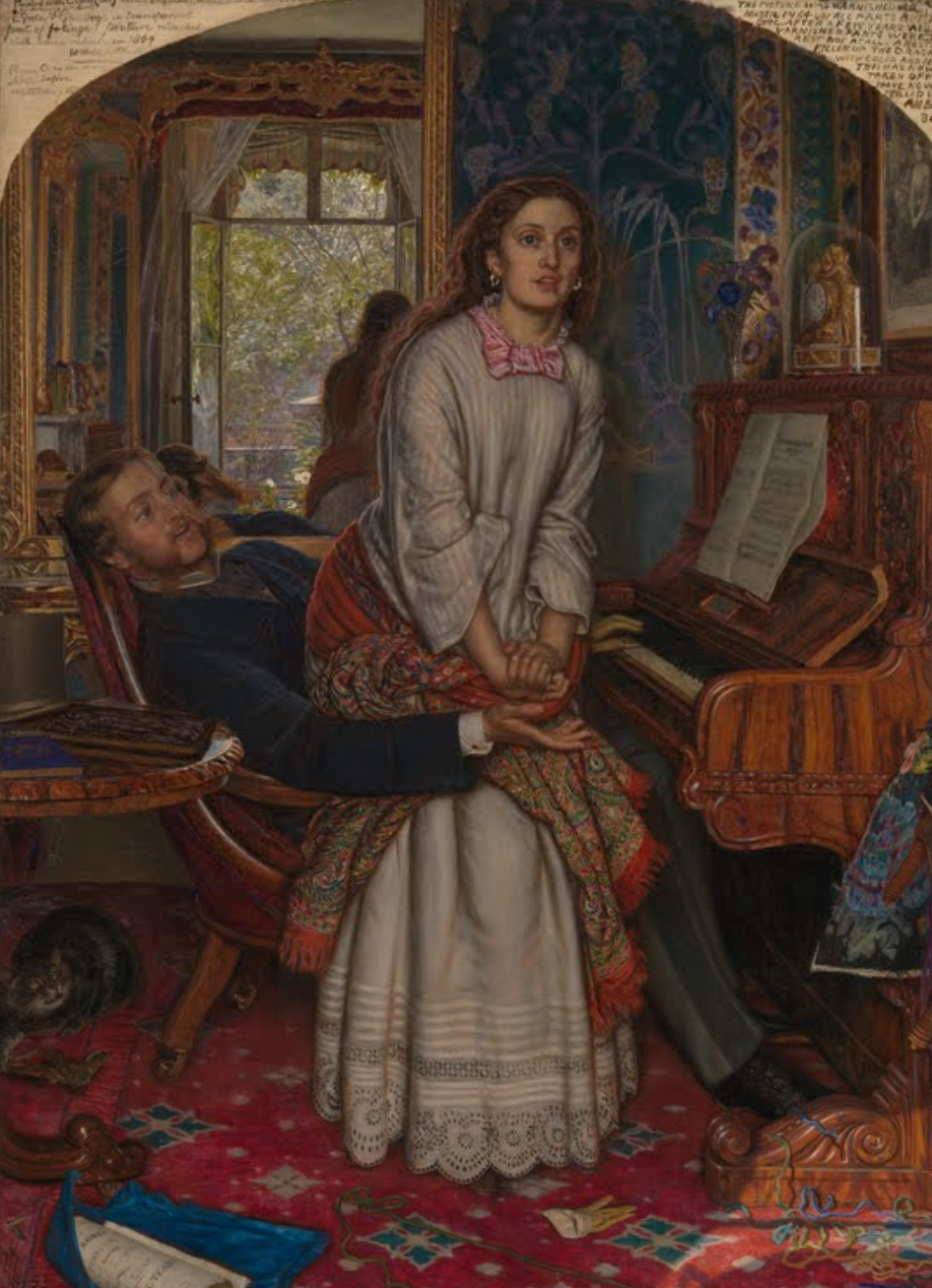
William Holman Hunt’s painting “The Awakening Conscience” (1853) captures a woman’s moment of self-awareness as she recognizes her moral imprisonment while her lover plays the piano. The work highlights Victorian hypocrisy, using light and symbolism to convey themes of guilt, redemption, and the struggle for personal truth, revealing layers of conscience beneath beauty.
-
Edvard Munch’s painting “Anxiety” (1894) captures the collective dread of humanity through pale, expressionless figures beneath a crimson sky. It highlights themes of isolation, the psychological impact of color, and the universal nature of fear. Munch’s work transcends style, reflecting deep emotional truths about the human condition.

-
The Two Fridas When love shatters, it leaves scars that words often fail to capture. In 1939, Frida Kahlo found another way to speak. She painted The Two Fridas, a haunting double self-portrait that exposed her heartbreak in public view. Two versions of the artist sit side by side, their hearts open and connected by…

-
Henri Rousseau’s The Sleeping Gypsy, painted in 1897, depicts a poignant scene of a sleeping woman and a non-aggressive lion in a serene desert, symbolizing the interplay between danger and peace. Rousseau’s self-taught style, initially ridiculed, emphasizes imagination over realism, resonating with themes of vulnerability and the complexity of dreams.

-
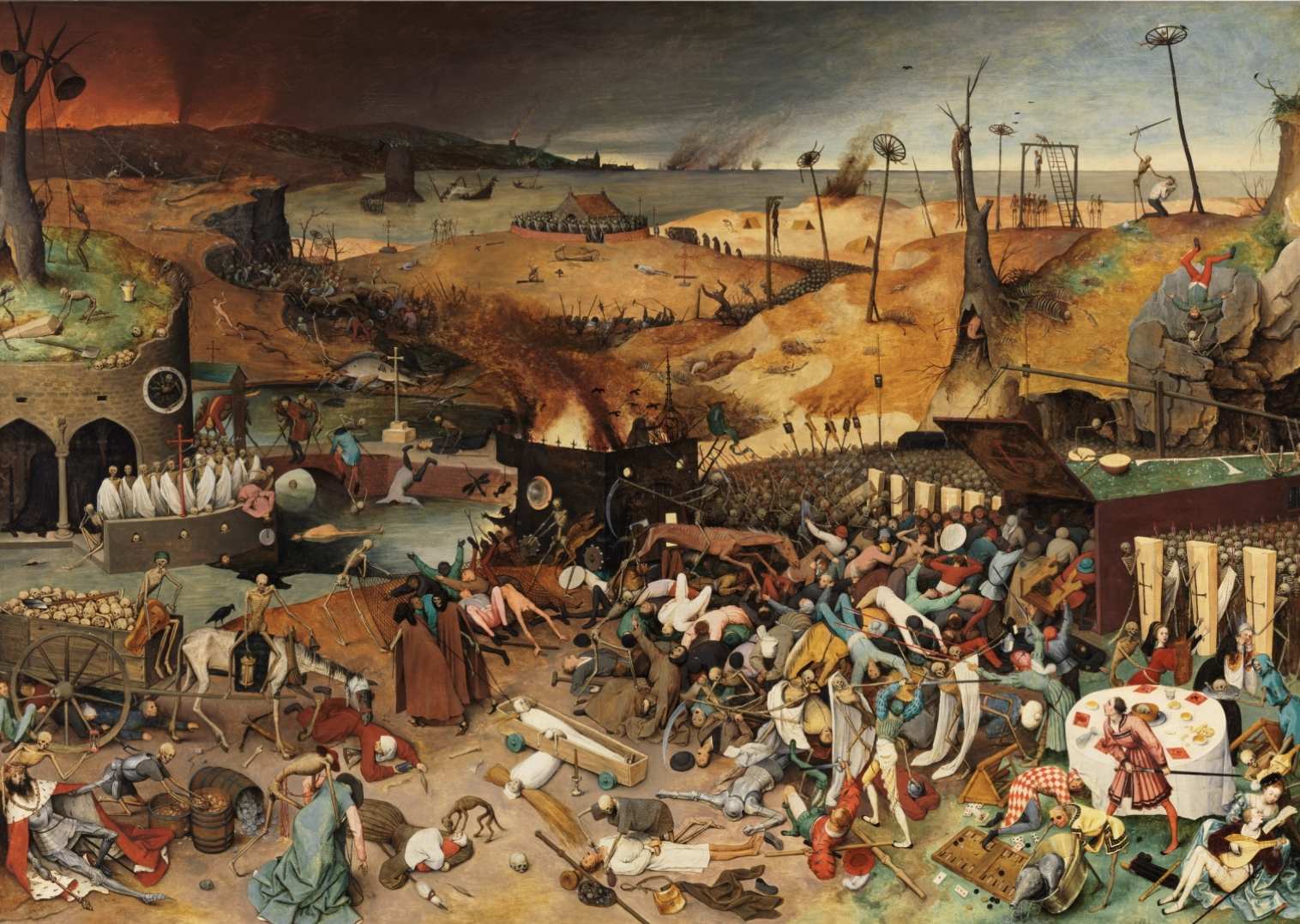
A World Ruled by Death In the mid-16th century, Flemish painter Pieter Bruegel the Elder created one of the most terrifying visions of human existence: The Triumph of Death. The painting covers every inch of the canvas with skeleton armies, burning villages, and humans dragged to their inevitable doom. Unlike religious frescoes offering the hope…
-
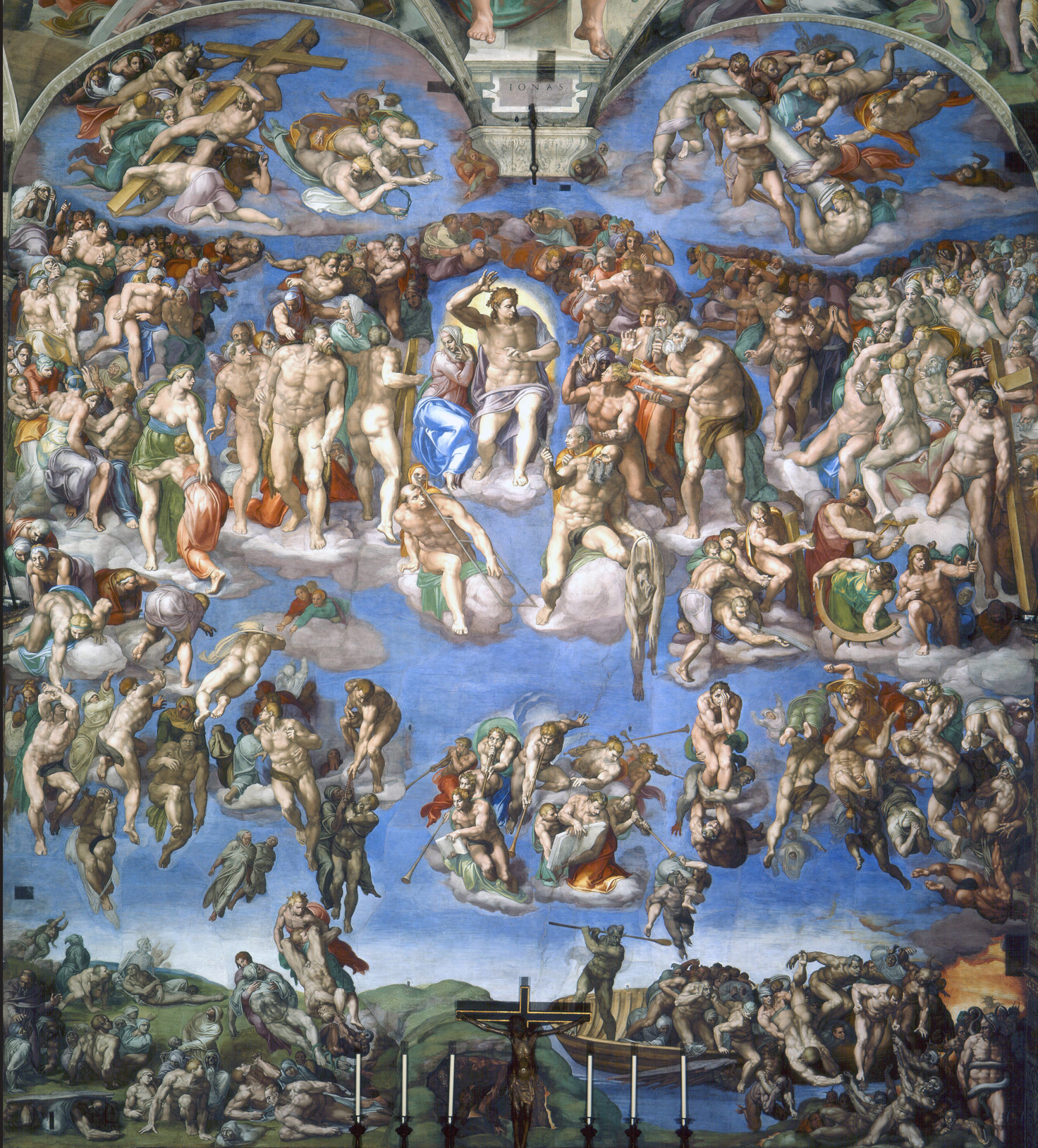
A Shocking Secret Revealed On the altar wall of the Sistine Chapel in the Vatican stands one of the most overwhelming masterpieces of the Renaissance: Michelangelo’s Last Judgment. The fresco spans over 13 meters and covers the entire altar wall, a swirling vision of angels, saints, demons, and resurrected souls. But among this grand spectacle…
-
Arnold Böcklin’s 1898 painting “Plague” depicts a winged creature carrying Death as it wreaks havoc on a city, symbolizing the terror of epidemics like the Black Death. The artwork reflects Böcklin’s personal anxieties during cholera outbreaks and resonates today, highlighting humanity’s vulnerability to contagion and chaos.

-
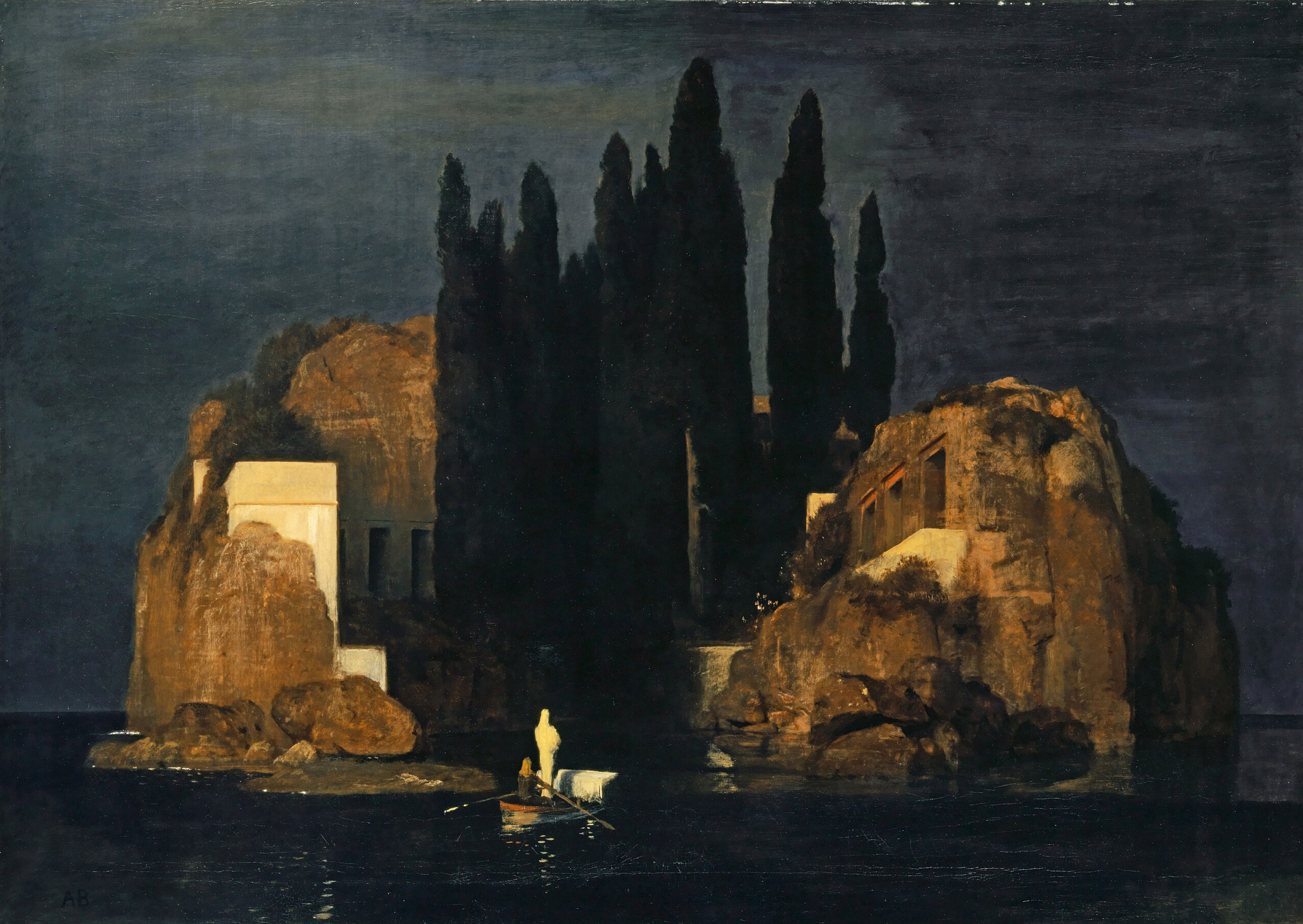
Arnold Böcklin’s Isle of the Dead, painted in 1880, remains a compelling Symbolist masterpiece. Its themes of mortality attracted figures like Hitler, Nietzsche, and Rachmaninoff, illustrating its profound impact across disciplines. Initially a source of reflection, the painting’s association with darkness transformed its legacy, yet it continues to resonate today.
-
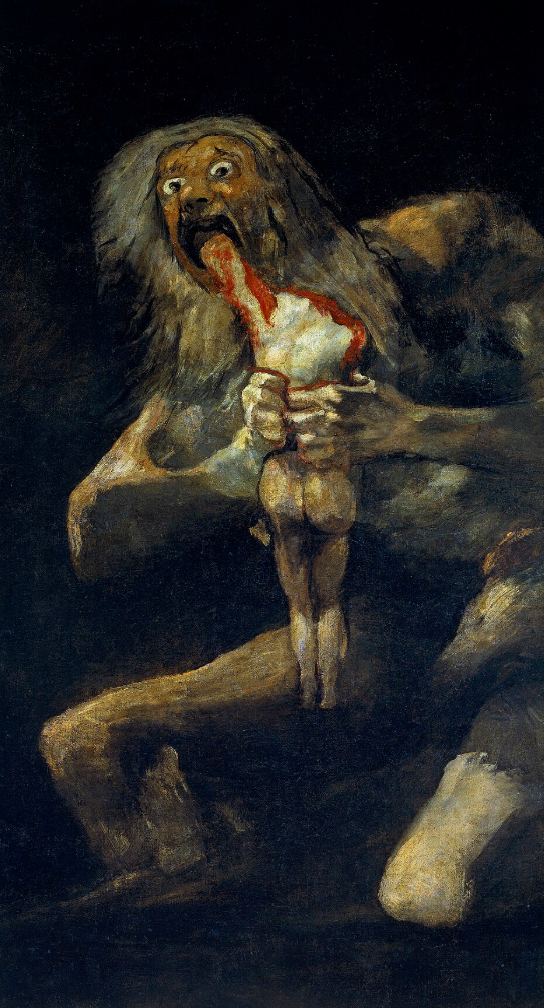
Francisco Goya’s Saturn Devouring His Son is ranked among the top 3 scariest paintings in the world. A brutal mix of myth, madness, and dark history, it reveals why art can terrify as much as it inspires.